 AtariVideoMusic.net
Robert J. Brown & the Engineers of Project Mood
The people who put music on your television in 1977.
Robert J. Brown
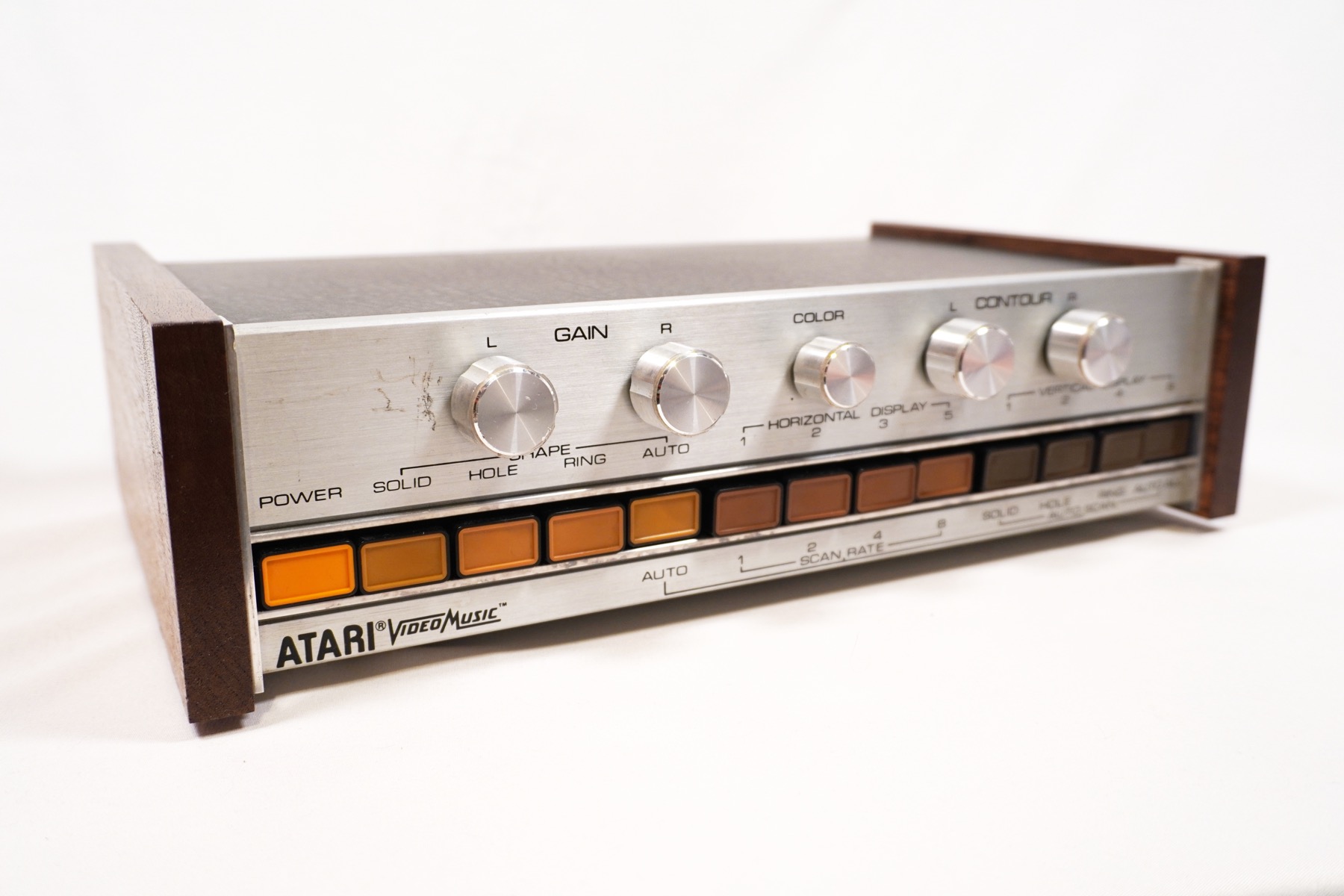
Robert J. Brown was an influential engineer at Atari, Inc. during the company's pioneering era in the 1970s. He is best known for designing the Atari Video Music (Model C-240), released in 1977 and widely regarded as the world's first commercial electronic music visualizer — a device that converted stereo audio into colorful, pulsing geometric patterns, decades before music visualization became standard software.
Brown also played a key role in developing the home version of Pong, Atari's groundbreaking 1975 console that brought arcade gaming into living rooms. As Atari's director of microelectronics, he contributed across projects, including technology shared with the Atari VCS (2600) — which he worked on concurrently with the Video Music, explaining the electrical similarities in their video signal generation.
He is the sole inventor on US Patent 4,081,829, "Audio Activated Video Display", filed August 23, 1976 and granted March 28, 1978, which describes the Video Music's audio-to-visual conversion system in full.
After Atari, Brown co-founded Starpath (originally Arcadia) in 1981 with former colleagues — a third-party developer that shipped games on cassette tape for the Atari VCS, including Phaser Patrol and Communist Mutants from Space. His career exemplified Atari's experimental spirit: engineering rigor blended with the era's countercultural boldness.

The Team Around the Machine
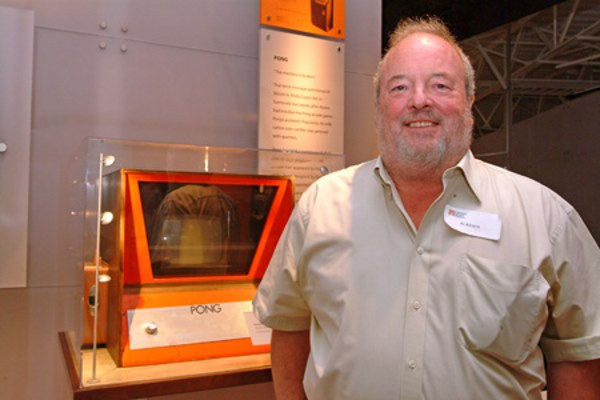
Al Alcorn
Atari's legendary design engineer — creator of the original Pong — was present at the Video Music's promotional tours. He's the source of the famous story about a Sears rep asking what the developers were smoking, and a technician answering by holding up a lit joint.
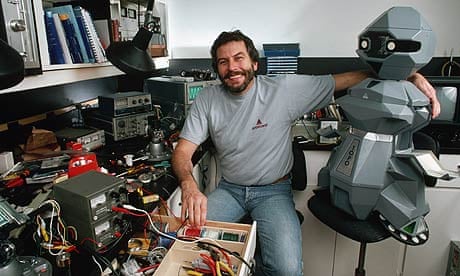
Nolan Bushnell
Atari's co-founder built the permissive engineering culture that made Project Mood possible. His own summary — "Most of my engineers were stoned" — captures the atmosphere that let a music-to-TV converter get greenlit as a mass-market product.
Harold Lee
Designer of the custom chip in Atari's 1975 Home Pong console, Lee contributed to Project Mood's development. His large-scale-integration expertise was central to Atari's home hardware strategy in this era.