 AtariVideoMusic.net
Model C-240 • 1977 • Atari, Inc.
The Original Music Visualizer
Before Winamp, before MilkDrop, before every screen at every concert pulsed to the beat — there was a walnut-and-aluminum box from Atari that turned your stereo into television. This is the definitive archive of the Atari Video Music C-240: its history, its patent, its circuitry, and its ongoing preservation.
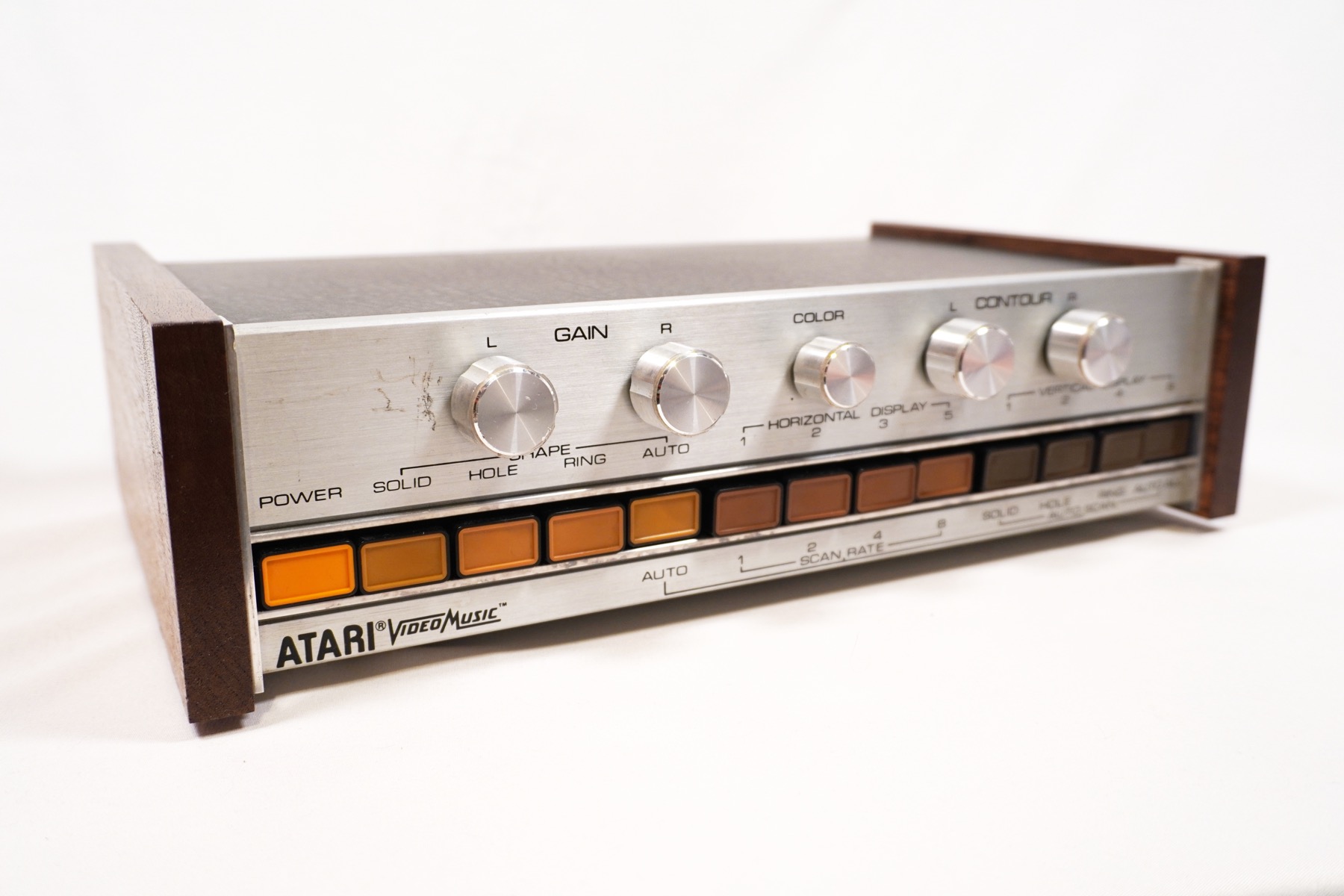
What Is the Atari Video Music?
Released in 1977 at $169.95 (about $882 in 2024 dollars), the Atari Video Music was the world's first commercial electronic music visualizer. Developed under the codename "Project Mood" by Robert J. Brown — the engineer behind Atari's home Pong — it connected between a hi-fi stereo and an ordinary television, translating audio waveforms into pulsing diamonds, rings, and cascading color patterns in real time.
It was entirely analog. No CPU, no software, no frame buffer — just op-amps, zero-crossing detectors, ramp generators, and an RF modulator, all documented in U.S. Patent 4,081,829. Commercially it lasted barely a year. Culturally, it never really went away: Devo, Daft Punk, Over the Edge, and The X-Files all put its hypnotic diamonds on screen.

Explore the Archive
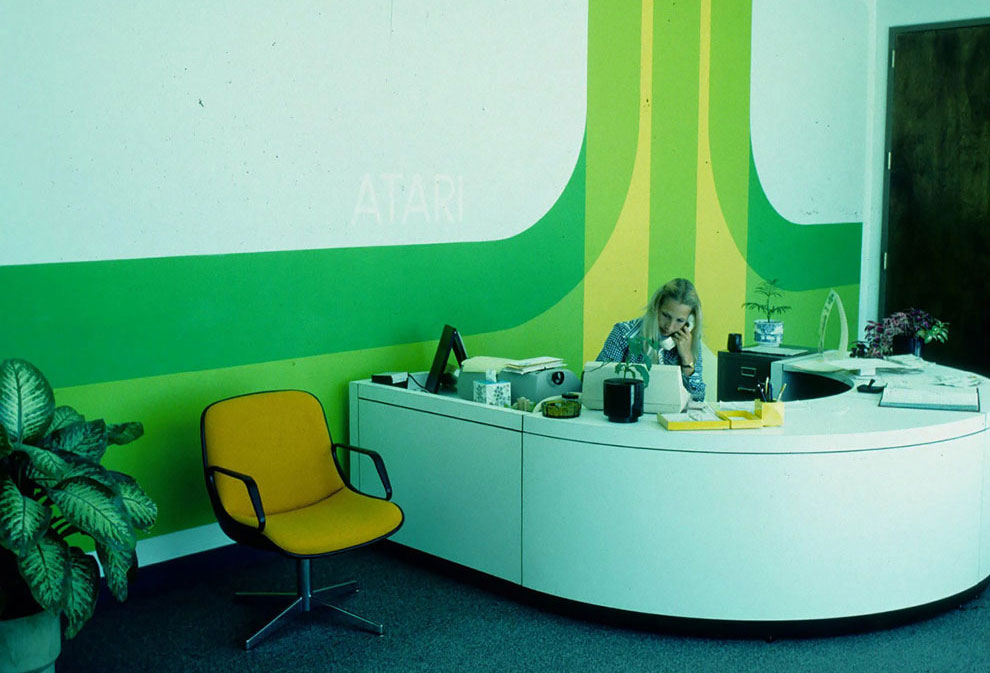
History & Timeline
From Project Mood in 1976 to discontinuation in 1978 — development, launch, reception, and pop-culture afterlife.

The Inventor
Robert J. Brown: home Pong designer, Atari's director of microelectronics, and Starpath co-founder.
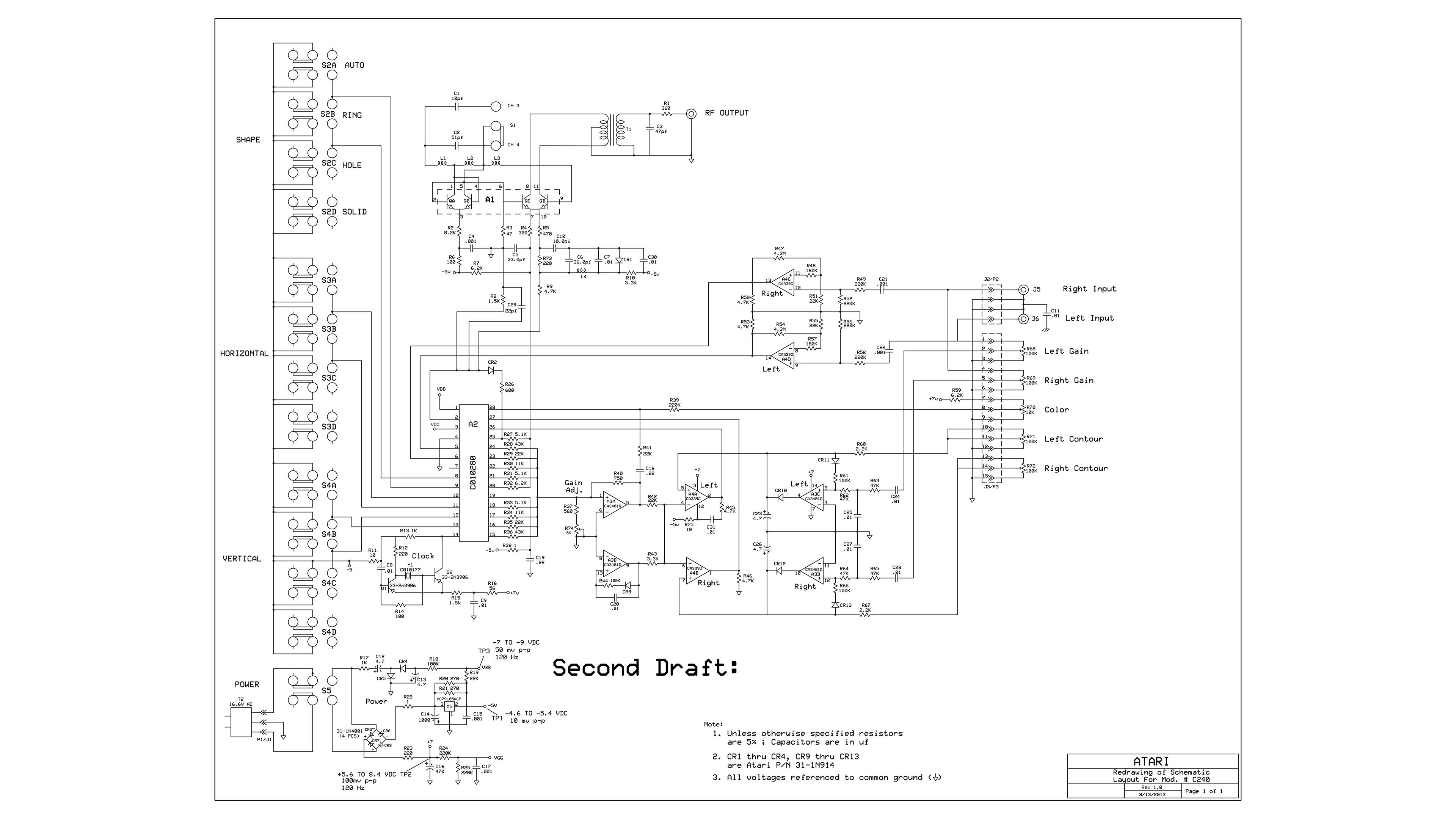
Patent Explorer
US 4,081,829 — "Audio Activated Video Display" — explained in plain English, with the original PDF.
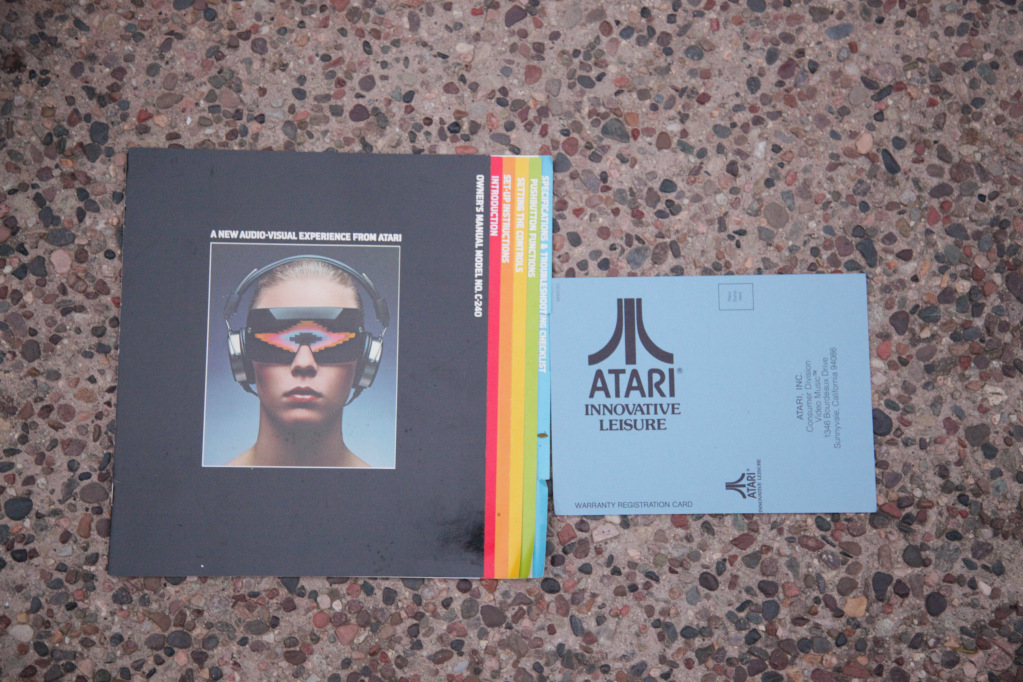
Restoration Center
Recapping guides, troubleshooting charts, schematics, and where to buy a dedicated cap kit.
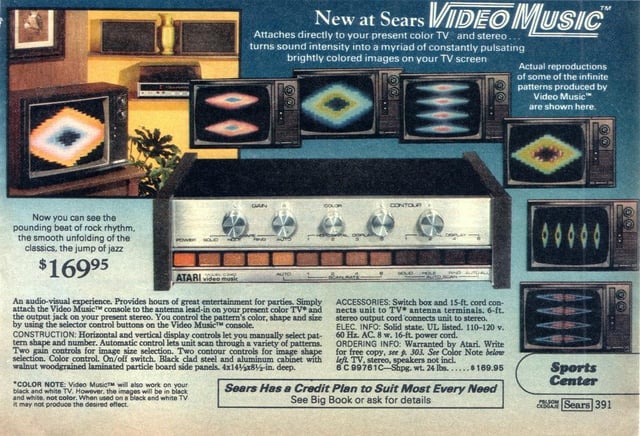
Gallery & Ads
High-resolution photography, Sears catalog ads, promotional material, and period print advertising.
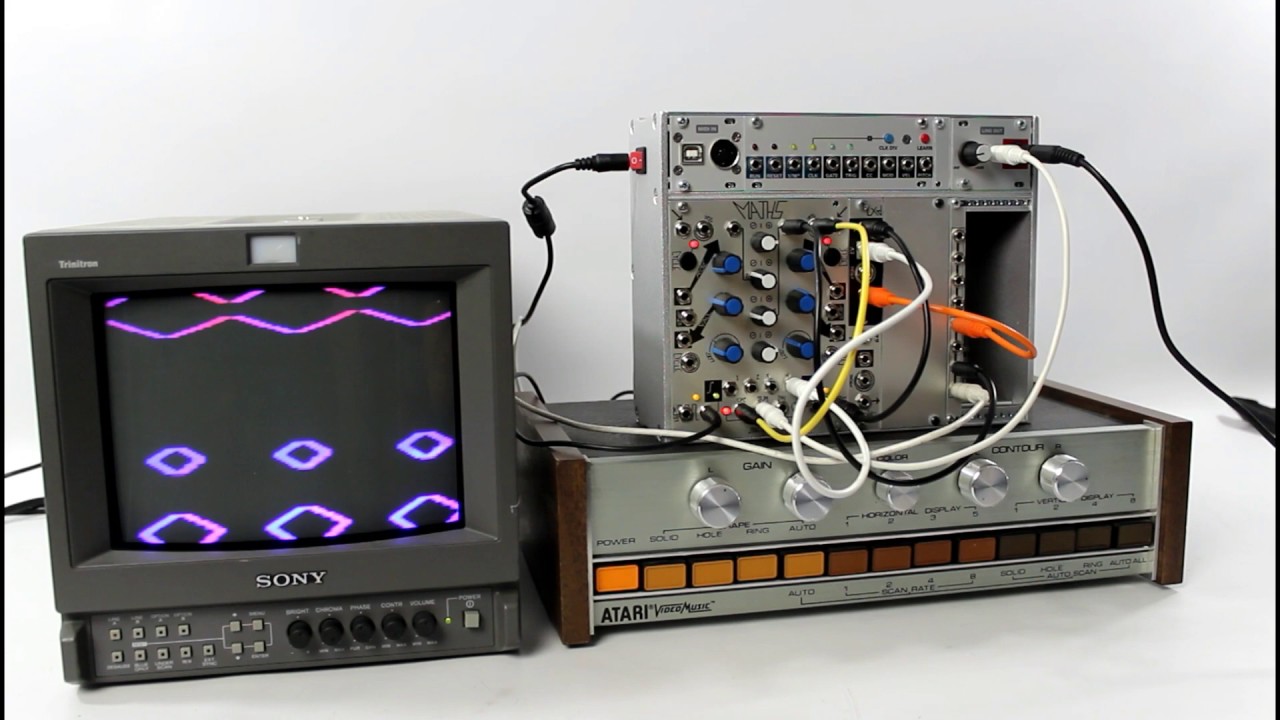
Video Archive
Every visualization from the channel — playable right here on the site, plus the live stream.
Quick Facts
| Model | Atari Video Music C-240 |
|---|---|
| Released | 1977, discontinued after roughly one year |
| Original price | $169.95 (≈ $882 in 2024 dollars) |
| Inventor | Robert J. Brown, with Harold Lee (custom chip work) |
| Codename | "Project Mood" |
| Patent | US 4,081,829 — "Audio Activated Video Display" (filed Aug 23, 1976; granted Mar 28, 1978) |
| Output | RF-modulated video on VHF channels 3 or 4, via a 75-ohm pass-through switch box |
| Controls | Power, 5 knobs (Gain L/R, Color, Contour L/R), 12 push-buttons (shapes, arrays, auto modes) |
| Claim to fame | World's first commercial electronic music visualizer |
Follow the Project







Play With Us: Atari Video Anarchy

Our community Minecraft server — Java & Bedrock crossplay, with console support. Click the logo for addresses, ports, and the console join tutorial.